Patterns of the Month: AnimalsEach month we feature a new pattern from our Pattern and Source Print Database and archive them on these pages by category. |
|||||||||||||||
(Click on thumbnails to
see larger images) 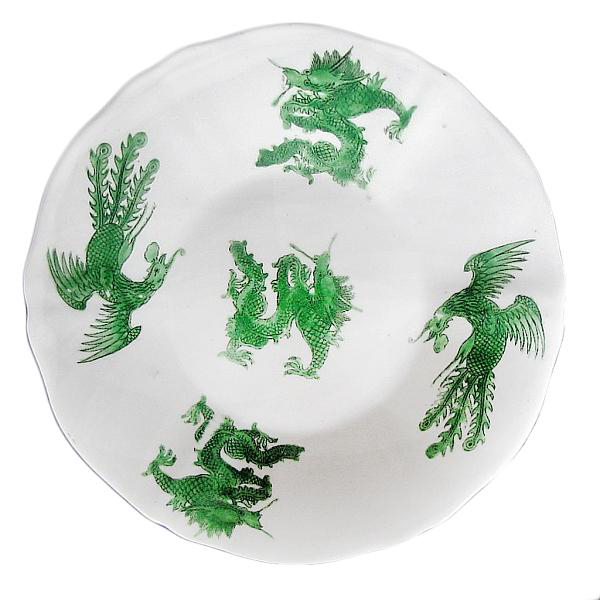 |
Dragon and the Phoenix Shown is an eight inch porcelain dish that is printed in underglaze black and painted in green. It was made by Machin & Co. (1802-1831). The pattern number, which is painted on the back of the dish, is “862.” The pattern shows both the dragon and the phoenix. Members only: for more information about this pattern and to see other similar patterns, search the Pattern and Source Print Database. |
||||||||||||||
(Click on thumbnails to
see larger images)  |
Parrot
Members only: for more information about this pattern and to see other similar patterns, search the Pattern and Source Print Database. |
||||||||||||||
(Click on thumbnails to
see larger images) 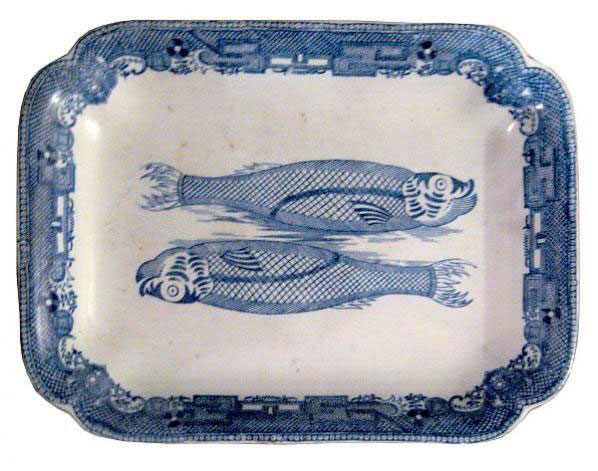 |
Char Dish
Members only: for more information about this pattern and to see other similar patterns, search the Pattern and Source Print Database. |
||||||||||||||
(Click on thumbnails to
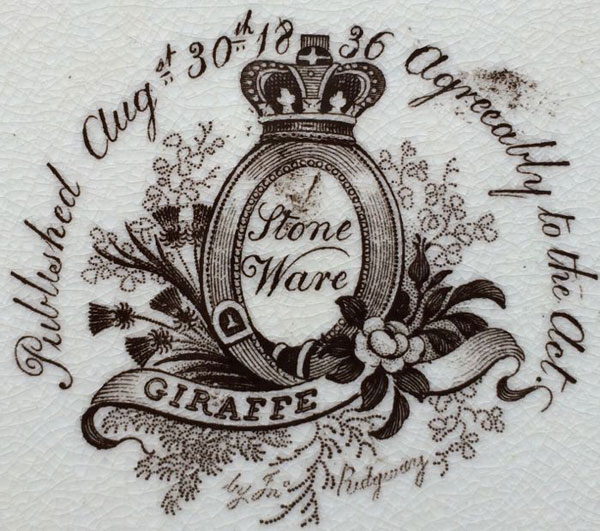
see larger images)  | "Giraffe"
|
||||||||||||||
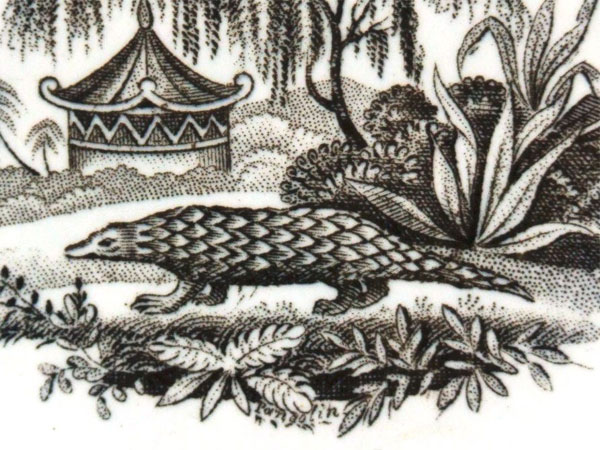
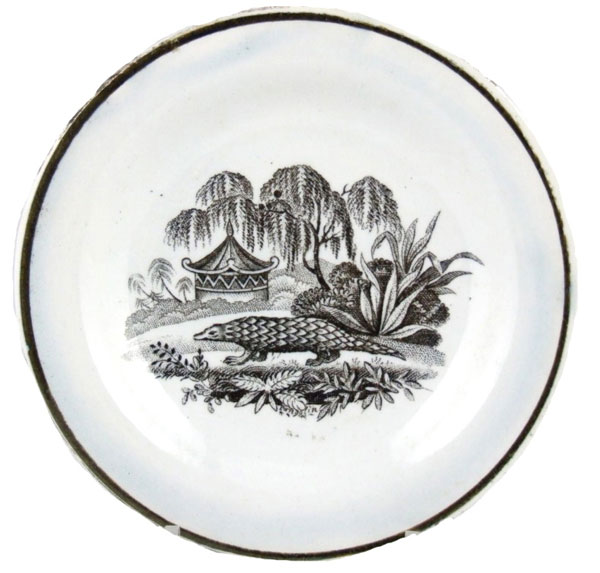 | "Pangolin"
|
||||||||||||||
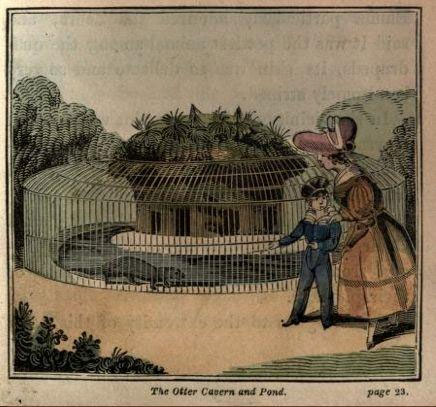
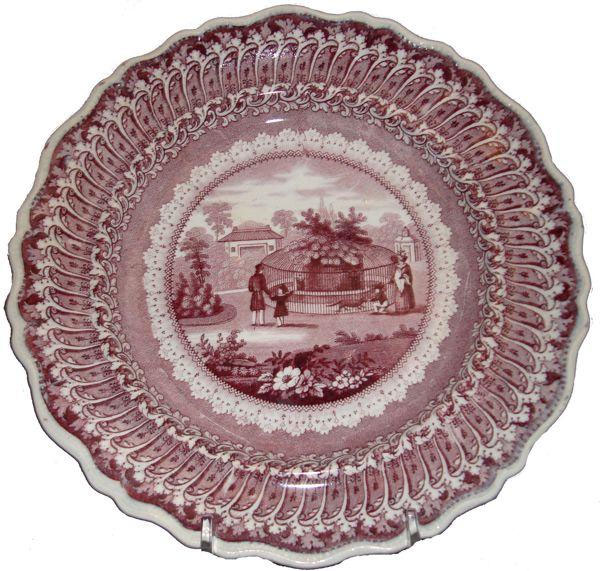 | "Zoological Gardens"
|
||||||||||||||
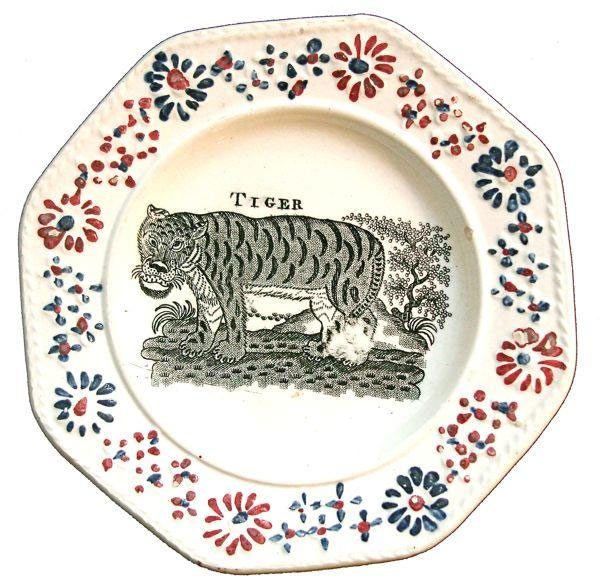
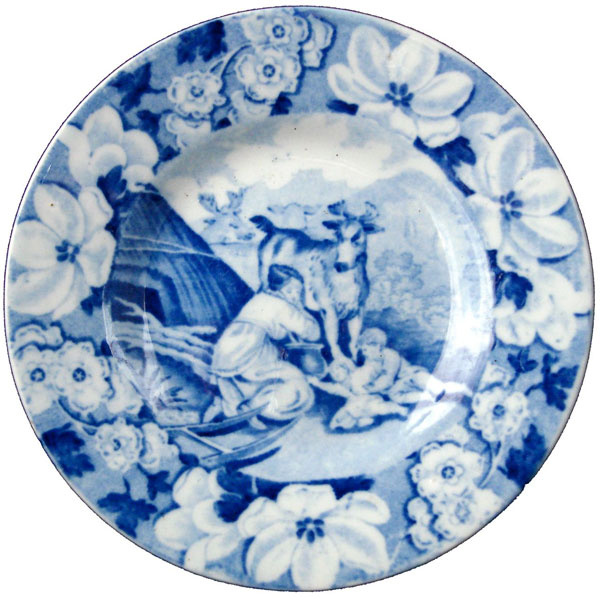
| Children's patterns were often given as rewards for good behavior, christening presents and teaching tools. Children, in general, like animals, so this 5.75 inch plate with an exotic animal would have been a delightful gift. To learn more about it, see the Pattern and Source Print Database. | ||||||||||||||
 |
|
||||||||||||||
 | "The Goldfinch" by an unknown maker is printed on a 9.75 inch plate. The pattern, circa 1820, is found on both dinner and teawares. To learn more about it, see the Pattern and Source Print Database. | ||||||||||||||
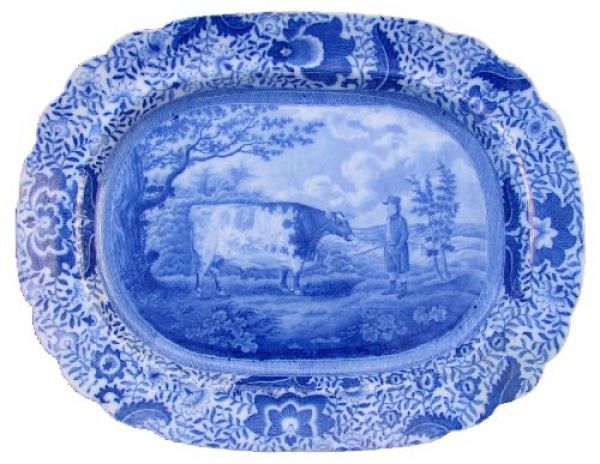 | 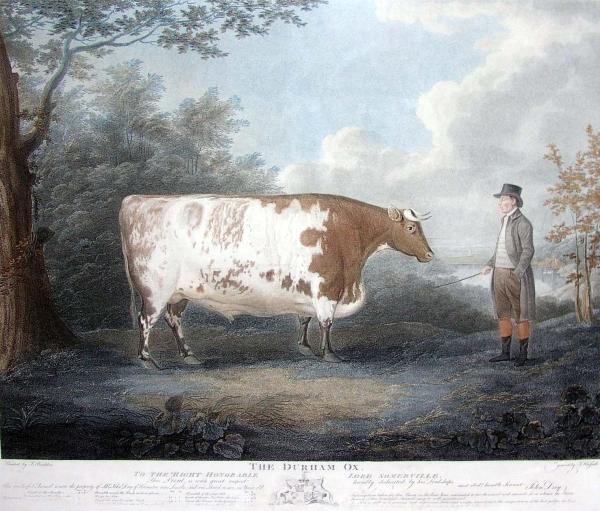 "Durham Ox With John Day" by an unknown maker is found on a 21 inch by 17 inch platter. It was copied from an engraving by T.Whessell after a painting by T. Boultbec. See the engraving. The Durham Ox is actually only found on this pattern and the 10" plate and soup plate. The rest of the series portrays rural scenes with cows and cowmen. There are nine patterns from the Durham Ox Series listed in the pattern and source print database. "Durham Ox With John Day" by an unknown maker is found on a 21 inch by 17 inch platter. It was copied from an engraving by T.Whessell after a painting by T. Boultbec. See the engraving. The Durham Ox is actually only found on this pattern and the 10" plate and soup plate. The rest of the series portrays rural scenes with cows and cowmen. There are nine patterns from the Durham Ox Series listed in the pattern and source print database. |
||||||||||||||
 | Ornithological Series This series was made by Andrew Stevenson (1810-1836). Each size and shape has a different bird or birds in the center. This 10 inch plate depicts a peacock and turkey. For more information about this series, see Ornithological in the pattern and source print database. |
||||||||||||||
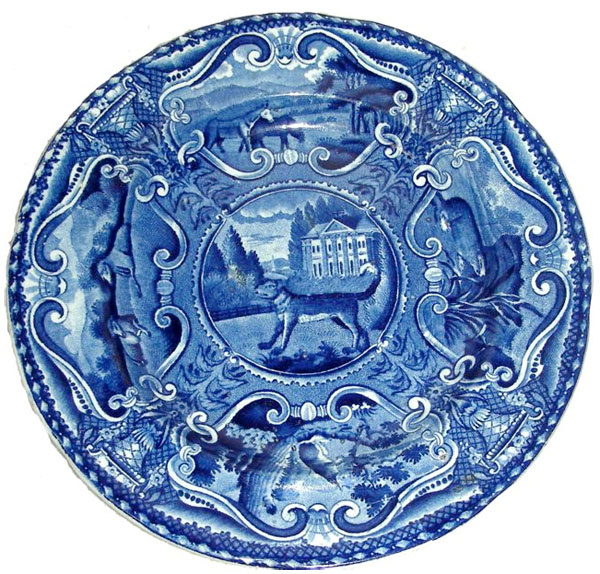 |
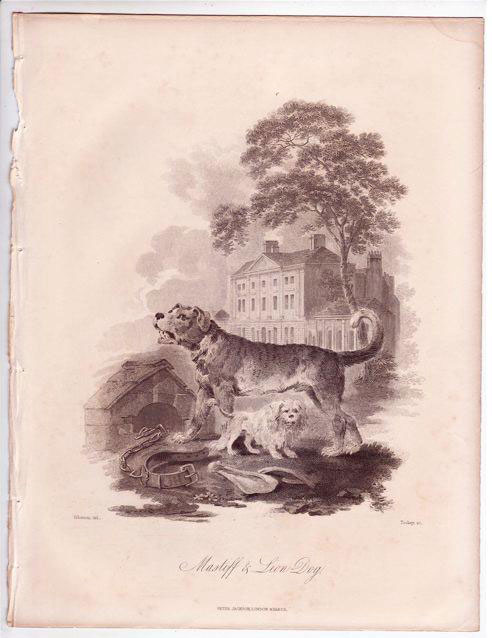
Source print: "Mastiff & Lion Dog" The engraving is by J. Tookey, after a drawing by Julius Ibbetson. The engraving is found in "The Cabinet of Quadrupeds" by John Church (c. 1803). The pottery engraver left out the lion dog! |
||||||||||||||
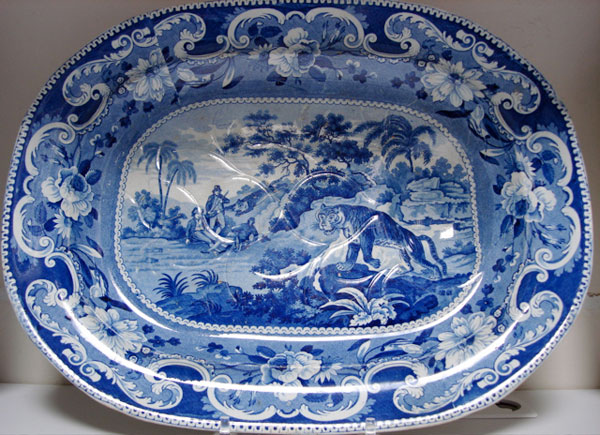
| Commonly known as either Sporting Series or Zoological Series, this 18-3/4" by 14-3/4" well and tree platter was made by Enoch Wood & Sons in Staffordshire around 1825. Each size in this series depicts a different animal that is being hunted. The tiger in the background on this platter appears to be hunting too! There is no pattern name marked on any of the items. |
||||||||||||||
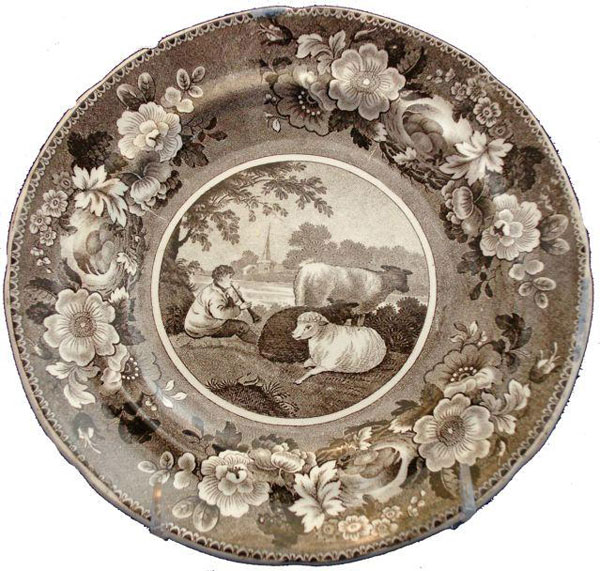
| 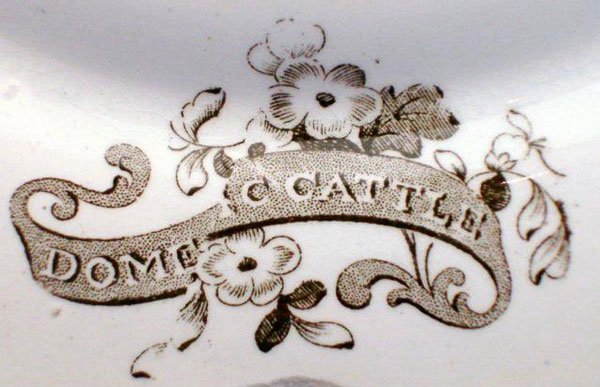 "Domestic Cattle" "Domestic Cattle"Shown on both a 9 inch plate and 13 inch comport,this view features a seated figure piping. The pattern is attributed to Careys on the basis of a piece bearing the factory mark and series name on a ribbon (FOB True Blue p. 86, Case 31/2). Cattle is the old English word for domestic animals, while today we only think of cows as cattle. For more information about the series, see"Domestic Cattle" (iv) in the pattern and source print database. |
||||||||||||||
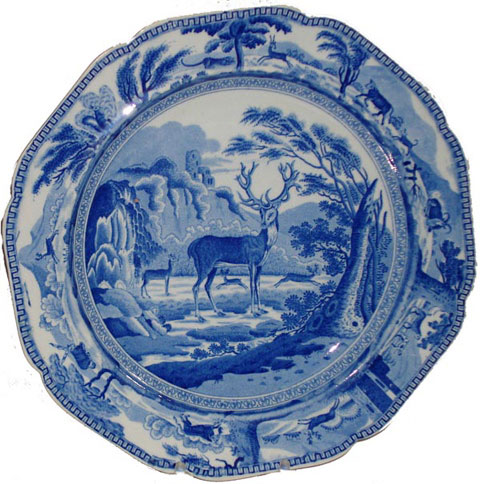
| Known as "The Bewick Stag", this 9.5 inch pearlware plate is printed in underglaze blue by Minton. A General History of Quadrupeds (1790) by Thomas Bewick (1753-1828) pictures the Stag or Red Deer. He stands at the center of this earthenware dinner plate. Behind him are two smaller stags and, perhaps, a female deer. The border consists of vignettes which Bewick used on the his title pages or at the end of his descriptions of animals. Two have been identified. One is called "A Crouching Leopard Ready to Spring" c. 1792, which appears in the third edition of Quadrupeds, p. 92. The other is "Dogs Disputing", which appears in the 1826 edition of Bewick's Water Birds, p. 414. The other vignettes may also be by Bewick or by one of his apprentices. The "Crouching Leopard" vignette was used as the central pattern by other makers. | ||||||||||||||
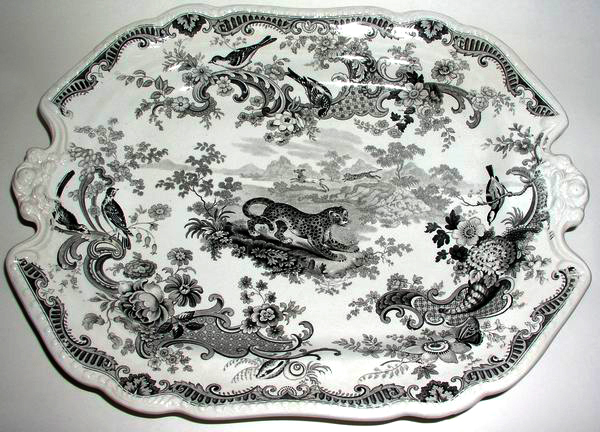
| "Zoological Sketches" printed on earthenware in underglaze black by Job Meigh & Son (1815-1832). The central animal pattern and the birds in the border are different on nearly each size and shape. This soup tureen stand depicts a leopard. Other animals in the series are an elephant, a rhinoceros, an elk, a lion, a tiger, a skunk, a hyena, a zebra, a lemur, a gazelle, kangaroos, and more! The pattern was also printed in blue. |
||||||||||||||
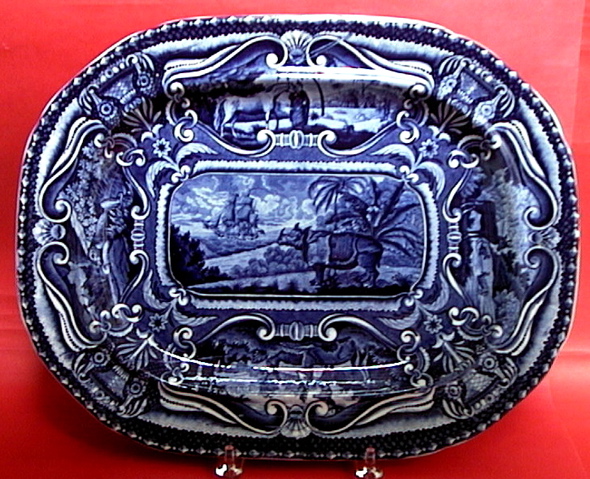 |
"Quadrupeds" by John Hall, printed in underglaze blue on earthenware, Staffordshire circa 1825. The central animal pattern and the animals in the border vary by size. This is a huge series filled with animals |
||||||||||||||
See other Patterns of the Month by category:
|
|||||||||||||||